How Algorithmic Personalization Influences Game Selection Patterns in Multi-Jurisdictional Betting Environments
Theo Powell · Nov 15, 2026
How Algorithmic Personalization Influences Game Selection Patterns in Multi-Jurisdictional Betting Environments
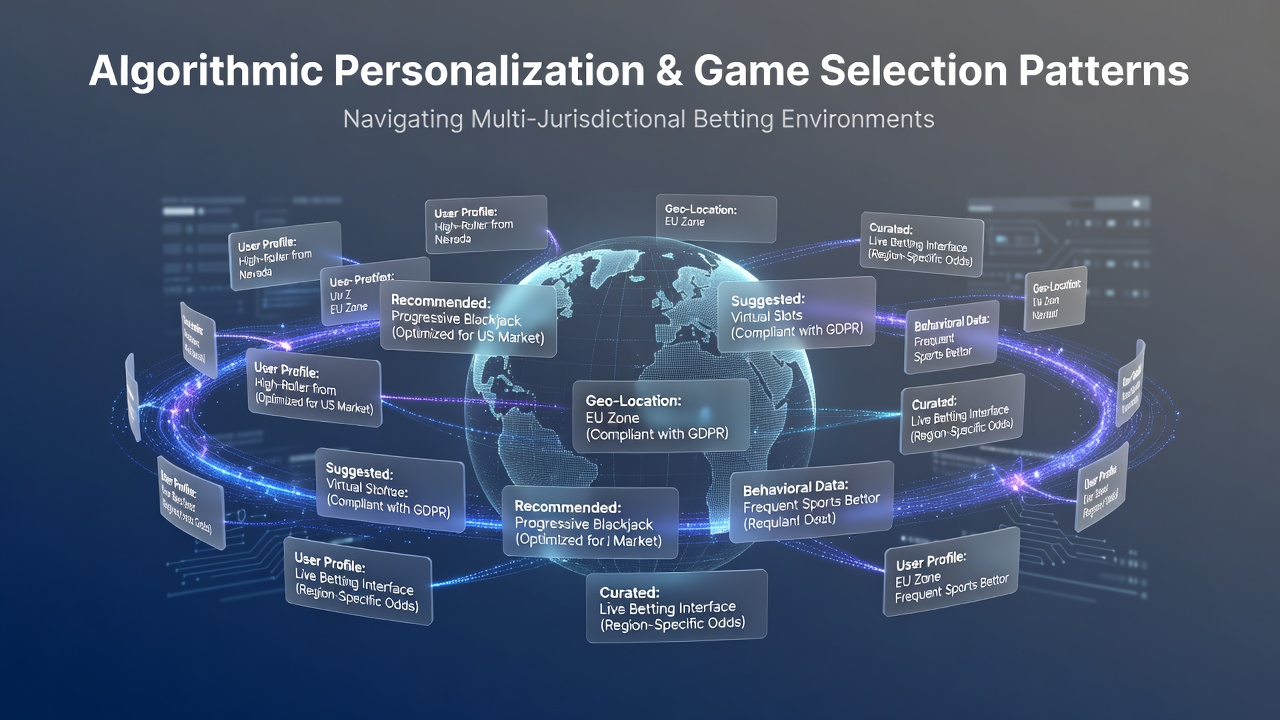
Algorithmic personalization relies on machine learning models that process player behavior, session duration, and historical selections to generate tailored game recommendations in betting environments spanning multiple regulatory zones. These systems draw from datasets that include wager sizes, time spent on specific titles, and navigation paths, then adjust suggestions in real time while operators navigate distinct legal frameworks in each jurisdiction.
Data Processing Across Borders
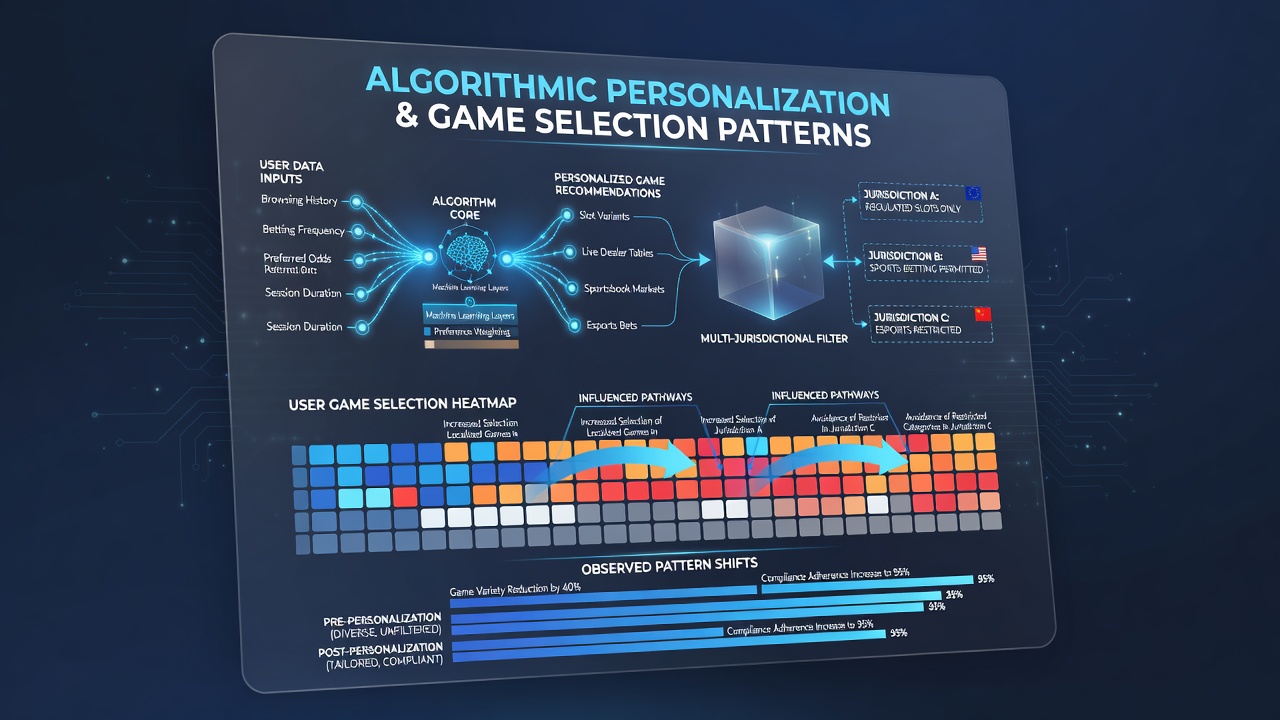
Platforms collect telemetry such as click patterns and deposit frequency, then feed those inputs into recommendation engines that prioritize certain slot mechanics or table variants based on regional availability. In jurisdictions where data retention rules differ, the same algorithm may surface fewer high-volatility options in one market and emphasize progressive jackpot networks in another. Observers note that these adjustments occur because local statutes often restrict which game features can be promoted, forcing the personalization layer to filter outputs accordingly.
Research from the University of Nevada, Las Vegas Center for Gaming Research indicates that operators serving both North American and European markets recorded a 23 percent shift in average game selections when algorithms incorporated jurisdiction-specific compliance flags during the first three quarters of 2026. The models retrain weekly on aggregated anonymized data to maintain relevance without violating cross-border transfer restrictions.
Regional Regulatory Effects on Recommendations
Multi-jurisdictional operators must embed regulatory logic directly into their personalization pipelines. When a player logs in from a location governed by the Nevada Gaming Control Board, the algorithm excludes certain live dealer variants that remain unavailable under current statutes, whereas the same user profile viewed from a Malta-regulated account may receive expanded live casino suggestions. This filtering happens before the recommendation reaches the interface, so users encounter only compliant options.
According to figures released by the European Gaming and Betting Association in November 2026, personalization engines reduced non-compliant game impressions by 41 percent across member platforms compared with the prior year. The reduction stemmed from rule-based overrides that activate based on IP geolocation and account registration jurisdiction, preventing the display of restricted content while still optimizing for player retention metrics.
Observed Shifts in Player Behavior
Patterns emerge when algorithms balance personalization with jurisdictional constraints. Players in markets with stricter payout disclosure rules show higher selection rates for certified random number generator titles once the system identifies that preference through repeated interactions. Meanwhile, users in regions permitting broader bonus structures receive more frequent prompts toward games with complex multiplier features, provided those titles meet local certification standards.
Case data from operators active in both Australian and Canadian provinces reveals that session length increased when algorithms surfaced region-approved jackpot pools rather than globally uniform offerings. The adjustment aligned recommendations with seasonal regulatory updates, such as new game certification lists published in late 2026, which altered available titles in several provinces simultaneously.
Technical Implementation Challenges
Building these systems requires modular codebases that separate core recommendation logic from jurisdiction-specific rule sets. Engineers deploy containerized microservices that query compliance databases before finalizing each suggestion batch. When a regulatory change occurs, such as an updated game classification in one market, the affected module updates without requiring a full platform redeployment.
Industry reports show that synchronization across time zones and update schedules remains a persistent operational task. Platforms serving Asia-Pacific and Latin American jurisdictions simultaneously must coordinate multiple compliance calendars, ensuring that personalization outputs stay current with the most recent licensing amendments in each territory.
Conclusion
Algorithmic personalization in multi-jurisdictional betting environments functions through layered data processing that respects regulatory boundaries while guiding game selections. The approach produces measurable differences in player engagement across regions, driven by compliance filters embedded in recommendation engines. Continued evolution of these systems depends on operators maintaining accurate mappings between technical outputs and the legal requirements of every served market.